Yes, rabbits can jump over fences. An average rabbit can jump around two feet upwards, but in the right conditions, some rabbits might be able to jump higher – between three and four feet! So it’s a good idea to have fences at least one foot higher than you think they can jump.
Rabbits have powerful hind legs that help them jump high into the air, and depending on the size of the fence depends if the rabbit will be able to clear it. If there’s anything for them to jump between (like bricks) they’ll be able to get even higher up.
It’s important to measure any fences on your property so you can ensure that your home is secure and there’s no chance that your rabbit can leap over the fence and escape. This is also a good way to keep wild rabbits out of your yard.
Rabbits Jumping
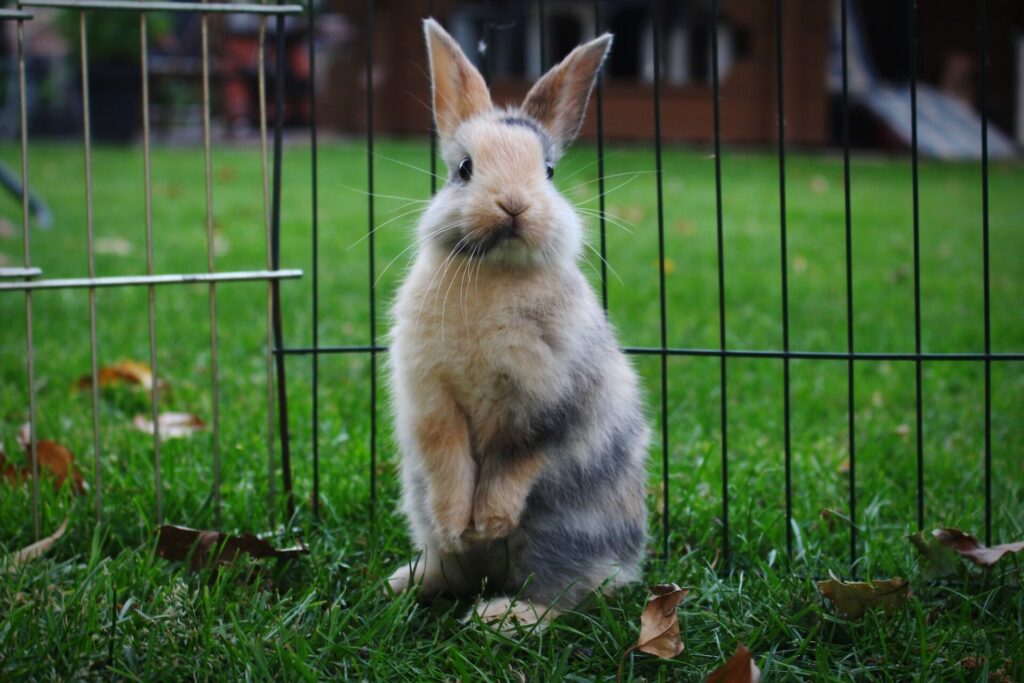
An average pet or wild rabbit can jump around two feet into their air, but certain rabbit breeds like jacktail and some cottontails can jump even higher – but never more than four feet. This means that a standard two-foot fence wouldn’t be anything more than a hurdle to jump over for a rabbit.
A rabbit’s back legs are designed to push off the ground and propel them into the air. Even when they’re casually moving around, they tend to hop (little jumps). Their strong legs allow powerful movements and make it so easy for them to jump over obstacles.
Some rabbits enjoy jumping, and you can train them to jump hurdles – called show jumping. This is good exercise, mental stimulation, and can strengthen the bond between rabbit and owner. For more information, check out this article on rabbit agility.
Can Rabbits Climb Fences?
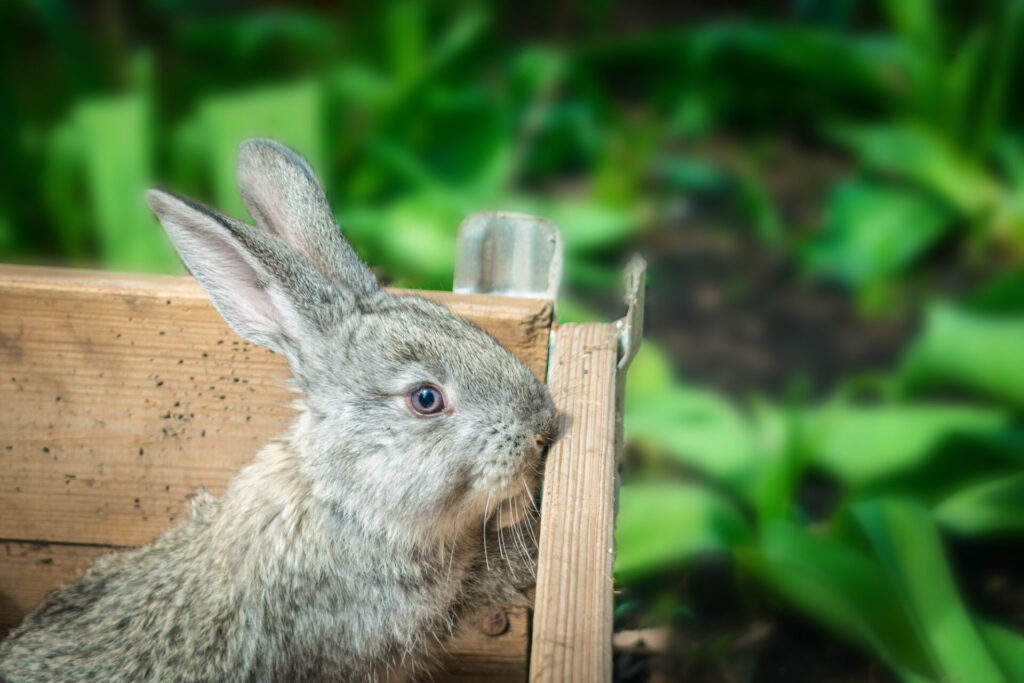
Yes, rabbits can climb fences. They’ll make a running leap onto the fence and then, using the momentum, they’d half jump and half scrabble up using whatever they can for grip.
A wire fence with gaps in it could be used as a ladder for rabbits to climb. Rabbits can climb up fences, but once they’re at the top they’ll struggle to get down again (as they can’t use the same technique to get down). They’ll need to jump straight down or be helped down.
How High Should Fences Be to Keep Rabbits In?
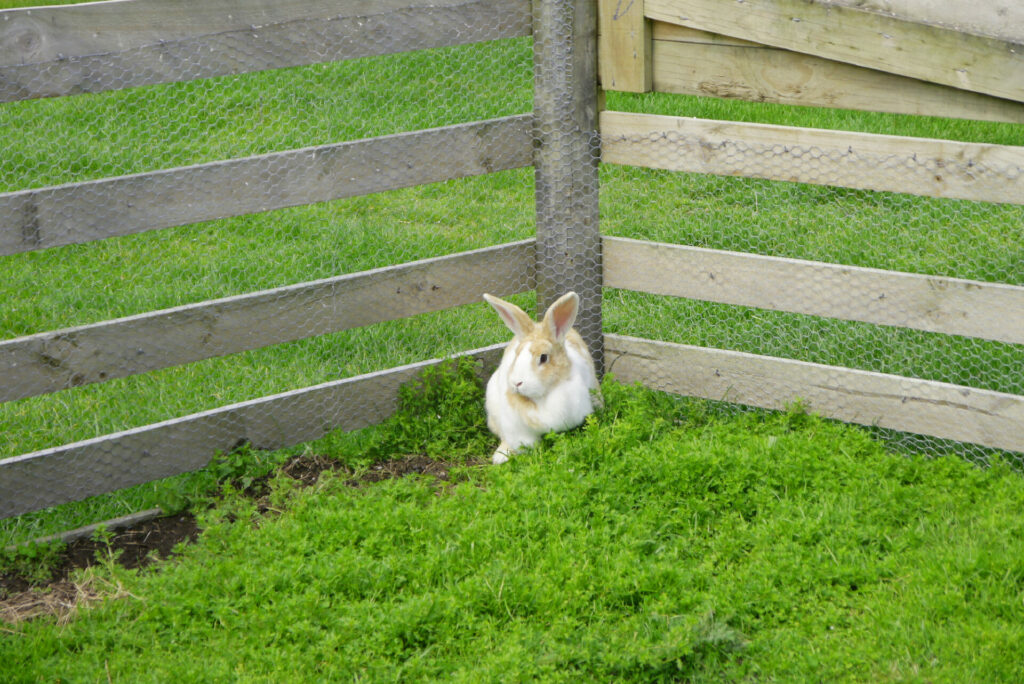
An ideal fence height to prevent a rabbit from jumping over it would be over four feet high. The maximum recommended height for a fence is twelve feet, so a fence anywhere in that region would be perfect for keeping your rabbits in, or wild rabbits out.
The fence should also be driven around two feet into the ground as a deterrent to rabbits digging underneath and creating a tunnel. Bear this in mind when choosing a fence – if you get one just four feet, half of it will be underground!
The Best Fences For Rabbits
If you’re wondering what the best type of fence would be, check out some of the more popular options that are used.
Fence Panels
The best material for a fence that’s rabbit-proof is either metal, hard plastic, or a classic wooden fence.
This works well as a fence along the boundary to your home, securing the garden and making it harder for predators to enter your garden. These are usually bought pre-made, and are usually between three and six feet tall.
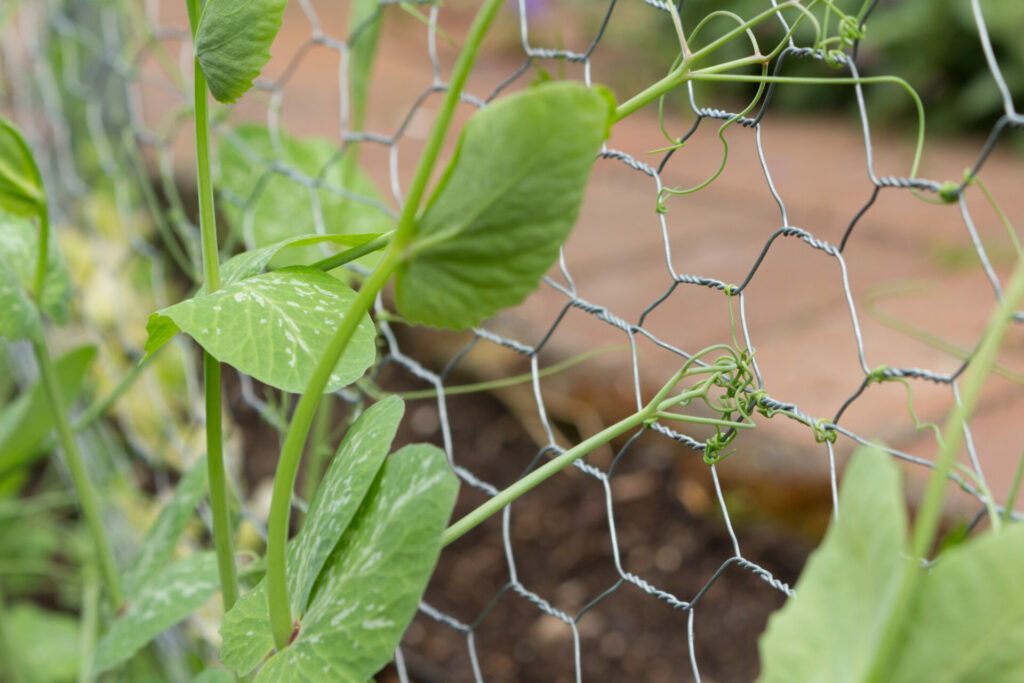
Chicken Wire Fence
If you want a fence to protect your plants, flowers, or vegetables, a good option would be chicken wire.
If you surround your plants with the chicken wire with enough space for the plants to grow and anchor the edges. Similar to boundary fences, these should be buried three to six inches in the ground and checked regularly for damage.
Electric Fences
This option is more for keeping rabbits out of your yard.
You’ll need to space out the wire three inches apart and surround the perimeter of the area that you want to keep rabbit-free. It can be taken up and down which is convenient and if it’s maintained it shouldn’t kill any animals, rather it shocks them and teaches them to stay away.
Rabbit Playpens
In a lot of pet stores or online, you can buy playpens that are designed for rabbits.
You can usually get them to what size you need (i.e. buying more than one pack to create a bigger space). You can also get a roof cover too, which creates a secure, unescapable pen to keep your rabbits in the same place.