Yes, a rabbit can technically live alone, but it’s recommended that you always try to keep at least two rabbits together. There are a ton of benefits when you have multiple rabbits – they don’t get so lonely, have someone to play with, the list goes on.
However, there are times when it might be better to let your rabbit live solo (e.g., if they’ve had negative experiences in the past).
Read on for tips if you do have to keep just one rabbit, when you should have one rabbit living alone, and more!
Why One Rabbit Might Need to Live Alone
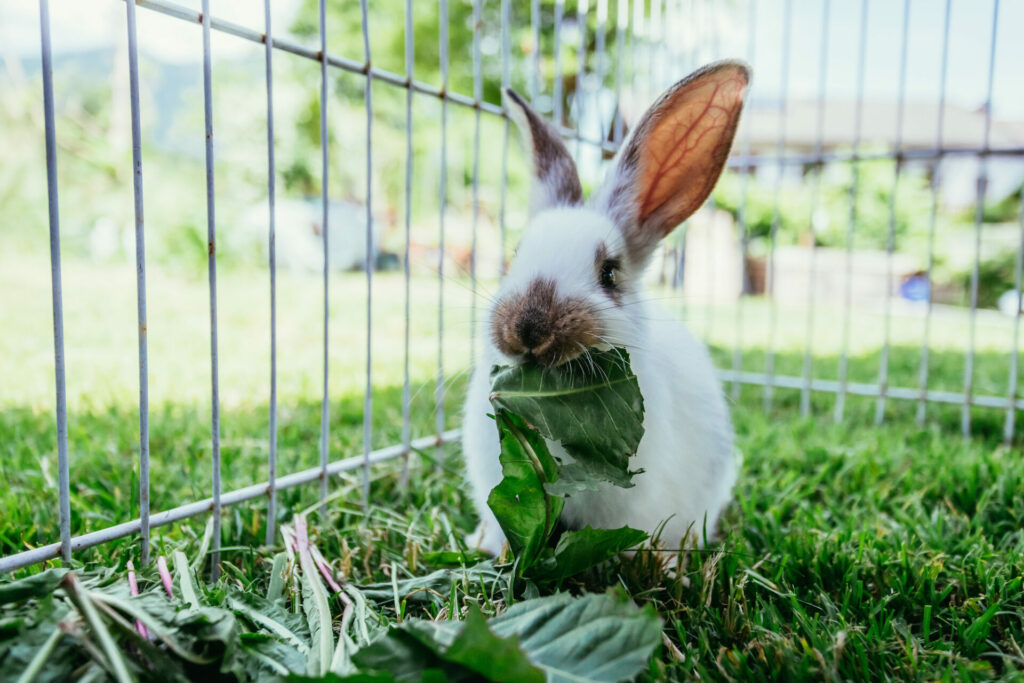
There are some specific occasions where it might be more beneficial for a rabbit to live alone. In this case, it’s better to do what’s best for your rabbit.
Your rabbit might be better alone if:
- They’ve been abused in the past: A formerly abused rabbit will struggle to trust another rabbit and would be better with the love and care of their owner to support them instead.
- They’ve been bullied by other rabbits: If a rabbit has been bullied in the past they’ll struggle to be with other rabbits. This is sometimes seen if one rabbit is bigger, older, or there’s a dominance battle.
- They’ve had negative social interactions: A rabbit who has had negative interactions will remember how it felt and feel insecure in a similar situation.
- They just prefer living solo: Some rabbits (though it’s quite rare) will prefer their own company.
- They’ve done it in the past: If a rabbit isn’t used to living with another, they might not be happy sharing their space, food, and their owner’s attention. This could lead to fighting and territorial behavior.
Tips For Keeping One Rabbit
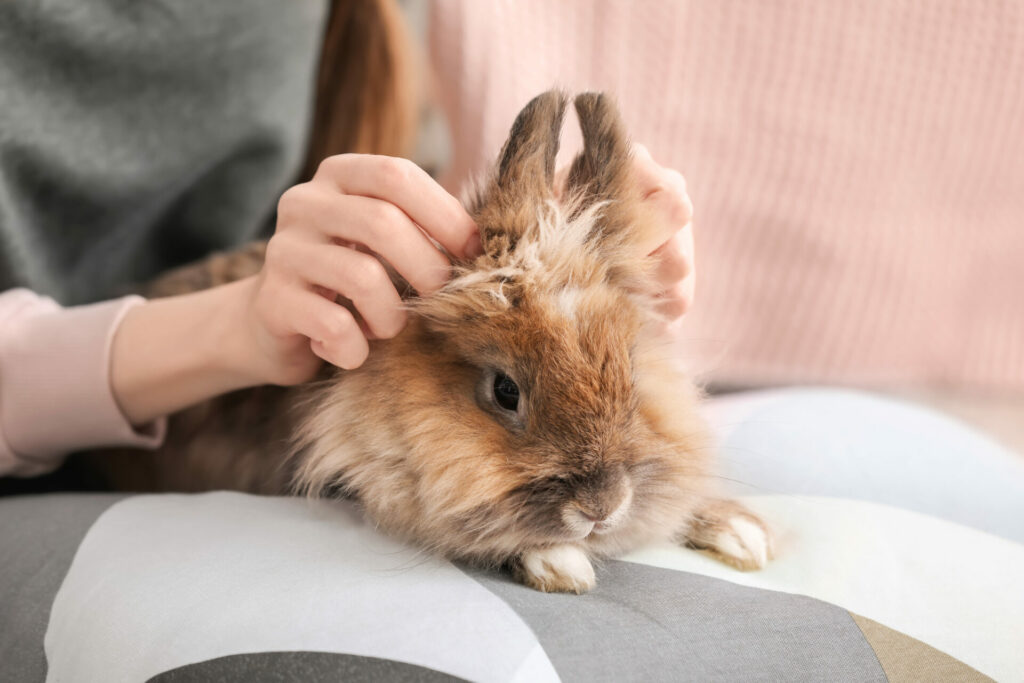
If you’re in a position where you do have just one rabbit, there are a few things that you can do to make their life as smooth and enjoyable as possible.
Rabbits can develop depression and suffer from loneliness from not having a companion. As their owner, you’ll need to fill in as their main companion.
If you have one rabbit you could:
- Let them live indoors: This means you’ll see them a lot more, keeping them close makes it easier to spend time together.
- Groom them regularly: Rabbits will groom themselves, and a bonded pair will groom each other. By brushing them, you’ll help them stay on top of their cleanliness which is important to rabbits.
- Free roam them: This is when you let your rabbit have access to rooms in your house and not keep them confined in a cage.
- Spend extra time together: Developing a good bond and playing with your rabbit as much as you can massively helps your rabbit live a happy life.
- Make sure they feel safe: Rabbits often feel secure with another rabbit watching their back. To combat this, try to keep them away from predators, keep loud noises to a minimum, and bond with your rabbit so they feel comfortable.
- Make sure their environment is good: This means cleaning every day, stocked up with food, hay, and water, and also getting various toys for mental stimulation.
Why Rabbits Need Companions
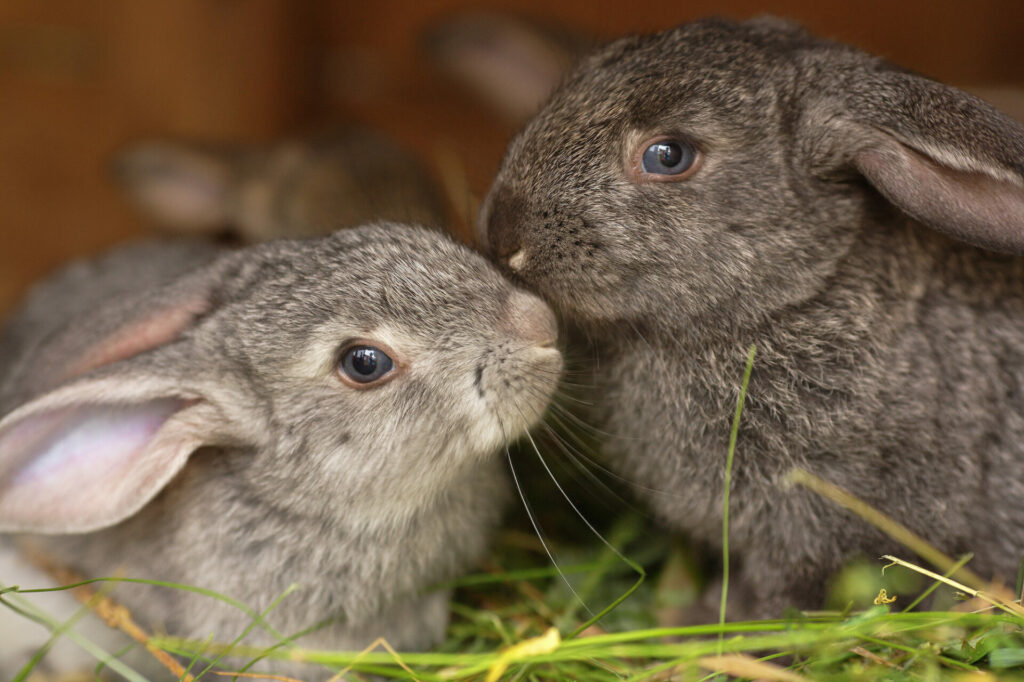
Rabbits are incredibly social creatures, and for them to be as happy and healthy as can be, they need a companion to go through life with. Usually, the best way to do this is by getting a rabbit of the same breed and age and helping them bond. To learn more, check out our post about how many rabbits can live together.
Multiple rabbits provide for each other:
- Someone to play with (to prevent boredom).
- Constant companionship (to prevent loneliness).
- Entertainment.
- Grooming.
- Exercise.
- Feelings of safety and security.
- A best friend for life.
On the flip side of that, a sole rabbit might have to deal with:
- Boredom, which can lead to destructive behavior.
- Over-grooming.
- Illness caused by stress.
- Long periods by themself.
- Loneliness (acting withdrawn, depressed, or hyperactive and craving attention).
If you’re interested in the differences in male and female rabbit personalities (including what combination of rabbits works best), check out this article.